
Key Takeaways
- The Hungry Ghost Festival is a traditional Chinese observance held during the seventh lunar month.
- The Ghost Festival celebrates remembrance of ancestors, filial piety, and compassion for wandering spirits who may have no descendants to care for them.
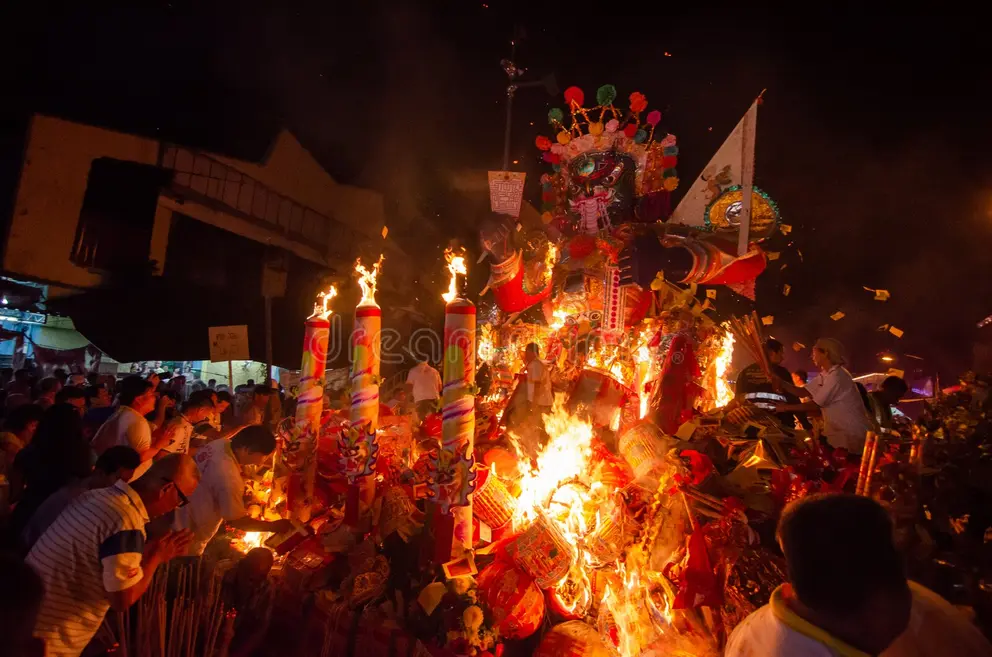
- In Malaysia, the festival is widely observed among Chinese communities through food offerings, incense burning, joss paper offerings, temple prayers, and community rituals.
- The festival is rooted in Buddhist Ullambana traditions, Taoist Zhongyuan observances, and Chinese folk religion, which have blended over time into the practices seen today.
- Common customs during Ghost Month in Malaysia include preparing roadside altars, attending temple ceremonies, and holding Getai or Chinese opera performances.
- Practices may vary across Malaysia depending on family dialect group, religious background, temple traditions, and local customs.
The Hungry Ghost Festival is one of the most widely recognised traditional observances among Chinese communities in Malaysia. Every year, during the seventh lunar month, families and communities take part in rituals, prayers, and offerings linked to the belief that the gates of the spirit world open and the deceased may return to the human world for a period of time. In Malaysia, this period is often referred to as Ghost Month, while the main observance is known as the Ghost Festival or Hungry Ghost Festival.
The Ghost Festival is both a religious and cultural observance, influenced by Buddhist, Taoist, and Chinese folk traditions. It is not simply about fear or superstition; it is a meaningful time to honour ancestors, show compassion to souls who may not have descendants to care for them, and reinforce family and community values.
What Is the Hungry Ghost Festival?
The Hungry Ghost Festival is a traditional Chinese observance held on the 15th day of the seventh lunar month, although many practices continue throughout the full month. This period is commonly known as Ghost Month.
According to traditional belief, the gates of the spirit world open during this time, allowing spirits, including ancestors and wandering souls, to return temporarily to the world of the living. Because of this, families prepare offerings and carry out rituals intended to show respect and promote peace between the living and the dead.
The word “hungry” refers to spirits believed to be restless, neglected, or lacking descendants to care for them. This is why the festival includes not only ancestor worship, but also offerings made for souls who may otherwise be forgotten.
For Malaysian Chinese communities, the festival is both a religious and cultural observance. Some families follow Taoist practices, others observe it through Buddhist prayers, and many follow a blend of family customs passed down through generations.
Why Is It Called the Hungry Ghost Festival?
The term Hungry Ghost Festival comes from the idea that some spirits are “hungry” because they have no descendants to make offerings for them, or because they are restless and in need of comfort.
In Chinese tradition, these souls are often understood as wandering spirits without proper care or remembrance. During the festival, offerings of food, incense, and joss paper are made not only to one’s own ancestors, but also to these unseen souls. This reflects a broader moral teaching: remembrance should include compassion for those who may have been forgotten.
This is one reason the festival carries deep cultural meaning. It is not limited to personal family memory. It also reflects a sense of communal responsibility, charity, and reverence toward all departed souls.
What Does the Ghost Festival Celebrate?
To answer the question clearly, the Ghost Festival celebrates remembrance, filial piety, and offerings to the deceased. It is a time to honour ancestors, pray for the peaceful well-being of departed loved ones, and make offerings to wandering spirits who may otherwise be neglected.
There are several layers of meaning behind the celebration:
1. Honouring ancestors
Families remember deceased parents, grandparents, and earlier generations through prayer, incense, and food offerings. This practice reflects the long-standing Chinese value of remembering one’s roots and continuing to show respect after death.
2. Expressing filial piety
The festival reinforces the idea that family responsibility does not end with death. Caring for ancestors spiritually is seen as an extension of respect and gratitude.
3. Offering compassion to wandering souls
The festival also includes offerings to souls with no family support, sometimes referred to as wandering or hungry spirits. This gives the observance a broader moral and communal dimension.
4. Seeking peace and harmony
Many rituals are meant to promote peace between the spiritual and human realms. By showing respect through offerings and prayers, families hope to maintain harmony, avoid disturbance, and encourage blessings for the household.
For this reason, the Hungry Ghost Festival in Malaysia should not be reduced to myths or taboos alone. Its deeper purpose is memory, respect, duty, and compassion.
How Is Hungry Ghost Festival Celebrated in Malaysia?
In Malaysia, the Hungry Ghost Festival is observed in ways that are both traditional and locally distinctive. Common practices include:
Food offerings and roadside altars
Families place cooked dishes, rice, tea, fruits, cakes, and other foods on home altars, outside homes, or at temporary roadside altars. These offerings symbolise nourishment for ancestors and wandering spirits.
Burning incense and joss paper
Incense is offered as a sign of prayer and respect. Some families also burn joss paper or paper replicas of daily items as symbolic offerings for the deceased. This practice is commonly associated with the belief that material offerings can be sent to the spirit world in symbolic form.
Temple prayers and ritual ceremonies
Buddhist and Taoist temples may hold prayers and ceremonies throughout the seventh lunar month. Some families attend temple services, while others invite monks, priests, or ritual specialists to conduct prayers at home or at community altars. These ceremonies are often intended to bless the household, honour ancestors, and offer peace to wandering spirits.
Community offerings
In some parts of Malaysia, the Ghost Festival is observed at the community level. Residents may organise collective altars, shared food offerings, and joint prayer ceremonies. This reflects the idea that remembrance is not only a private family matter. It is also part of wider community life, especially in places where traditions are preserved through neighbourhood cooperation.
Getai and stage performances
In parts of Malaysia, public performances such as Getai (歌台) or Chinese opera are held during Ghost Month. These are traditionally meant to entertain both living audiences and spiritual visitors, and front-row seats are sometimes left empty as a sign of respect.
Because Malaysia is multicultural, observance may differ across states and communities. In urban areas such as Kuala Lumpur, Petaling Jaya, Klang, Penang, and Johor Bahru, practices may be adapted to modern living spaces, while still preserving the meaning of the festival.
Common Hungry Ghost Festival Customs and Taboos
Many people are often curious about taboos during the Hungry Ghost Festival. While these beliefs are widely discussed, it is important to approach them respectfully. Customs and taboos can differ between families and are often tied to personal belief, dialect tradition, and local practice.
Some commonly observed practices include:
- Avoiding disturbing roadside offerings
- Showing respect near altars and ceremonial spaces
- Refraining from stepping on burned offerings or incense ashes
- Avoiding loud or disrespectful behaviour near rituals
- Leaving certain performance seats empty during Getai or opera events
It is also common to hear advice during Ghost Month about avoiding major life decisions, late-night wandering, or activities considered spiritually inauspicious. However, these are not universal rules, and not every family observes them in the same way.
Why the Hungry Ghost Festival Still Matters Today
In modern Malaysia, the Hungry Ghost Festival remains meaningful because it gives families a dedicated time to remember loved ones, preserve heritage, and pass on values to younger generations.
For some people, the observance is deeply religious. For others, it is mainly cultural or family-based. Either way, it remains a powerful reminder that remembrance is part of community life.
At a time when many traditions are becoming less familiar to younger generations, the festival continues to offer an opportunity to explain the meaning of:
- family duty
- gratitude to ancestors
- compassion toward others
- respect for cultural heritage
This is one reason the festival still matters today. It connects memory with identity, and tradition with everyday family life.
Final Thoughts
The Hungry Ghost Festival is far more than a season of taboos or superstition. It is a time of ancestor remembrance, filial piety, compassion for wandering souls, and community observance. For Malaysian Chinese families, it remains an important cultural and spiritual tradition that reflects enduring values of respect, gratitude, and responsibility toward the deceased.
By understanding the deeper meaning behind the Hungry Ghost Festival in Malaysia, people can appreciate it not as a mysterious event but as a thoughtful and significant observance rooted in memory, family, and compassion.



Thanks for sharing this insightful overview of the Hungry Ghost Festival in Malaysia. It’s fascinating to see how the celebration blends Buddhist, Taoist, and folk traditions, and it really highlights the importance of filial piety and remembrance. The customs like preparing roadside altars and holding temple ceremonies sound deeply meaningful for both individuals and communities. This post helped me appreciate the cultural richness behind the observance in a much deeper way.