
Buddhist funeral rituals in Malaysia are shaped not only by core Buddhist teachings on impermanence and rebirth, but also by decades of cultural blending with Chinese folk traditions, Taoist customs, and the practices of Thai, Sinhalese and Burmese Buddhist communities scattered across the country.
If you’ve just received a wake invitation and aren’t sure what’s expected of you, you have come to the right place. This guide covers exactly that: what to wear, what to say, and what to do at a Buddhist funeral in Malaysia, the practical side of Buddhist funeral etiquette in Malaysia. It’s followed by a closer look at the rituals themselves, so you understand not just the “what” but the “why” behind them.
Key Takeaways
- Stick to muted colors like black, white, grey, or dark navy when attending a Buddhist funeral. Avoid red entirely, since it’s associated with celebration in Malaysian culture.
- Simple, sincere phrases work best, such as “I’m sorry for your loss” or the Mandarin condolence phrase 节哀顺变.
- Most Buddhist funerals in Malaysia follow Chinese Mahayana customs mixed with Taoist elements, while Thai, Sinhalese, and Tibetan Buddhist communities each have their own distinct practices.
- The wake lasts an odd number of days, typically 3, 5, or 7 days, followed by cremation, which is by far the most common choice among Malaysian Buddhists today.
- From chanting sutras at the wake to leading prayer rites later on, families typically arrange this through their family temple or a Buddhist funeral service in Malaysia.
What to Wear, Say, and Do at a Buddhist Funeral in Malaysia
What to Wear
Buddhist funeral attire in Malaysia tends to follow a few consistent guidelines:
- Stick to muted colors such as black, white, grey or dark navy, which are all safe choices.
- Avoid red entirely. In Malaysian Chinese culture, red is reserved for celebrations and is considered inappropriate at a funeral.
- Skip flashy accessories or bright patterns. Simple, modest clothing is the norm as this isn’t an occasion to stand out.
- Some immediate family members may wear traditional mourning garments (often white, sometimes with specific headpieces depending on dialect group). As a guest, you won’t be expected to wear these.
What to Say
Malaysians often default to simple, sincere phrases rather than long speeches. Safe options include:
- “I’m so sorry for your loss.”
- “Please take care of yourself / take care of your health.”
- “Let me know if there’s anything I can do.”
- In Mandarin, the standard condolence phrase is 节哀顺变 (jié āi shùn biàn), roughly “please restrain your grief and accept what has changed.” It’s widely understood across Chinese Malaysian communities, including Cantonese and Hokkien speakers.
What to avoid saying:
- Avoid asking detailed questions about the cause of death, especially soon after the loss.
- Avoid overly cheerful greetings or small talk unrelated to the occasion.
- Avoid comments that suggest the family should “move on quickly” as grief is not rushed in this context.
- If you’re unsure what to say, a quiet nod, a bow, or simply sitting with the family is always acceptable.
What to Do
- Sign the condolence book, usually placed near the entrance.
- Bring condolence money, and the amount may vary depending on your relationship with the deceased.
- Bow or place your palms together (anjali) at the altar, following the lead of the family rather than initiating your own gesture.
- Expect vegetarian food to be served, especially during evening visiting hours.
- Keep your voice low and your demeanor calm. Loud conversation, laughter or phone calls near the wake area are considered disrespectful.
- Follow the family’s cues for anything else. Buddhist funeral customs vary by dialect group and temple tradition, so the family’s actions are your best guide in the moment.
Buddhism in Malaysia: A Quick Snapshot
Buddhism is one of Malaysia’s major religions, practiced predominantly by the Chinese Malaysian community, alongside smaller but well-established Thai, Sinhalese (Sri Lankan) and Burmese Buddhist populations. This diversity means Malaysia is home to multiple Buddhist schools side by side:
- Mahayana Buddhism: the most widely practiced form among Chinese Malaysians, often intertwined with Taoist and Confucian ancestral customs
- Theravada Buddhism: practiced by Thai and Sinhalese communities, visible in temples such as Wat Chetawan in Petaling Jaya and the Buddhist Maha Vihara in Brickfields, Kuala Lumpur
- Vajrayana (Tibetan) Buddhism: a smaller but growing presence through dharma centers like Kechara House in Petaling Jaya
Because of this overlap, Buddhist funeral rituals in Malaysia are rarely “pure” in the textbook sense; they’re often a localized blend of Buddhist philosophy and Chinese folk religious practice, especially within the Chinese Malaysian community.
Why Buddhist Funerals Look the Way They Do
At the heart of every Buddhist funeral is the belief that death is a transition, not an ending. Key teachings that shape the ritual include:
- Impermanence (anicca): death is treated as a natural, expected event, not something to be denied or hidden away.
- Karma and rebirth: rituals generate merit (pun or gong de, as commonly referred to in Malaysian Mandarin/Hokkien) believed to support a favorable rebirth for the deceased.
- Compassionate but non-clinging grief: mourners are encouraged to grieve openly while being reminded not to hold on too tightly, since attachment is itself a source of suffering.
These principles remain the backbone of the ritual, even as the outward form adapts to local custom.
Core Buddhist Funeral Rituals Practiced in Malaysia
Chinese Mahayana Buddhist Funerals (Most Common)
This is the form most Malaysians will encounter, particularly in urban centers like Kuala Lumpur, Petaling Jaya, Penang, and Johor Bahru. Typical elements include:
- A wake held over an odd number of days (commonly 3, 5, or 7), either at the family home, a void deck/community hall, or a funeral parlour
- Monks are invited to chant sutras, such as the Amitabha Sutra, to guide the deceased toward a peaceful rebirth in the Pure Land
- Burning of joss paper and “hell money” (kim zua), along with paper replicas of houses, cars, or daily items, is believed to provide for the deceased in the afterlife
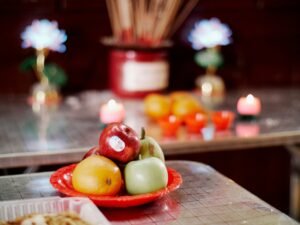
- An altar with the deceased’s photograph, incense, candles, and fruit offerings
- White or black attire for immediate family, with some still wearing traditional mourning garments depending on dialect group and family tradition
- Vegetarian meals served to guests and monks during the wake, reflecting the Buddhist precept of non-harming
Thai and Sinhalese Theravada Funerals
In communities such as the Thai Buddhist population around Wat Chetawan in PJ, or Sinhalese families connected to the Buddhist Maha Vihara in Brickfields, funerals follow a more Theravada structure:
- Chanting of Pali suttas by monks invited from the family’s local temple
- Almsgiving (dana) to monks as an act of merit-transfer on behalf of the deceased
- White is the dominant mourning color, worn by the family rather than black
The Folk-Buddhist Blend
It’s common in Malaysia for families to combine Buddhist rites with Taoist or folk religious elements like paper effigies, specific date selection for the funeral and burial, and rituals performed by either monks or Taoist priests, depending on family preference. This blending is widely accepted within the Malaysian Chinese Buddhist community and isn’t viewed as contradictory. If your family observes both traditions, it’s worth arranging this with a provider experienced in both Buddhist and Taoist funeral rites so nothing gets overlooked.
The 49-Day Mourning Period and Cremation
Many Malaysian Buddhist families observe prayer rites at intervals during the 49 days following death, most notably “first seven” (头七) on the seventh day, believed to be when the deceased’s spirit returns home. Local temples often offer structured prayer services for this period.
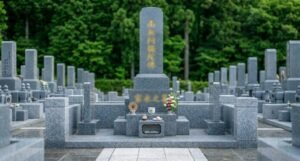
Cremation is by far the most common choice among Malaysian Buddhists today, partly due to land scarcity in urban areas and partly due to Buddhist teaching that the Buddha himself was cremated. Families in the Klang Valley, for example, often use facilities such as Gui Yuan Funeral Crematorium in Petaling Jaya, which offers cremation services and columbarium niches for ash placement.
The Role of Monks and Temples
Inviting monks to chant and accept offerings is considered an important act of merit-making on behalf of the deceased. Well-known temples and organizations that Malaysian families commonly turn to include:
- Kek Lok Si Temple (Penang): one of the largest Buddhist temples in Southeast Asia
- Buddhist Maha Vihara (Brickfields, Kuala Lumpur): a key center for the Sinhalese Buddhist community
- Wat Chetawan (Petaling Jaya): a historic Thai Buddhist temple serving the Klang Valley
- Subang Jaya Buddhist Association and Kechara House: Theravada and Tibetan Buddhist centers respectively, both serving Klang Valley families
Families without a regular temple affiliation often arrange monk visits directly through a Buddhist funeral service in Malaysia, which maintains established relationships with local temples.
Final Thoughts
Knowing what to wear, say and do is usually enough to walk into a Buddhist funeral with confidence, but understanding the rituals behind those customs is what turns simple politeness into genuine respect. Buddhist funeral rituals in Malaysia are a living example of how core Buddhist teachings on impermanence and compassion have been shaped by local culture, which blends Chinese ancestral customs, Theravada practices from Thai and Sinhalese communities, and the practical realities of city life.
Understanding these rituals, whether you’re planning a funeral or attending one as a guest, allows you to honour the deceased and support grieving families in a way that’s both respectful and culturally informed.
Frequently Asked Questions
What color should you not wear to a Buddhist funeral?
In Malaysian Chinese culture, red is associated with celebration and good fortune, so it’s considered inappropriate at a funeral. Stick to black, white, grey or dark navy instead.
What are the rules for Buddhist funerals?
There isn’t one fixed rulebook, since Buddhist funeral customs vary depending on dialect group and which Buddhist school a family follows, whether Mahayana, Theravada or Vajrayana. That said, common elements across most Malaysian Buddhist funerals include an altar with the deceased’s photograph, monks chanting sutras, vegetarian meals during the wake, and cremation rather than burial.
How many days after death is a Buddhist funeral held?
The wake usually begins within a day or two of death, once the body has been prepared and placed in a casket. From there, the wake itself runs for an odd number of days, typically 3, 5, or 7, with cremation taking place on the final day.
What is the etiquette for a Buddhist funeral?
Buddhist funeral etiquette in Malaysia centers on dressing modestly in muted colors, avoiding red, offering simple condolences rather than long speeches, signing the condolence book, and following the family’s lead at the altar. Keeping a calm, quiet demeanor throughout the wake is also expected.
What rituals do Buddhists do when someone dies?
After a death, Malaysian Buddhist families typically set up an altar with the deceased’s photograph, incense, and offerings, invite monks to chant sutras over several days, and burn joss paper and other symbolic offerings for the afterlife. This is usually followed by cremation and a 49-day mourning period, with prayer rites observed at set intervals, most notably on the seventh day.