
Making funeral arrangements can feel overwhelming, especially when families are trying to handle practical matters while coping with grief. For those considering cremation, understanding the cremation process in Malaysia can help make each step a little clearer and less stressful. From preparing the required documents to arranging the service, cremation, and collection of ashes, knowing what to expect can provide some peace of mind during a difficult time.
This step-by-step guide explains the cremation process in Malaysia, what families can expect, and how to prepare for each stage with greater clarity and confidence. It is especially useful for Malaysian families seeking clear, localised information on cremation services, the cremation procedure and funeral planning.
Key Takeaways
- The cremation process in Malaysia usually involves death registration, document submission, funeral planning, cremation, ash collection, and final memorial arrangements.
- Families arranging cremation services in Malaysia will typically need the death certificate, identification documents, and any required cremation permits before proceeding.
- Working with a trusted provider can make the cremation procedure in Malaysia easier by helping with transportation, paperwork, crematorium booking, and ceremony coordination.
- The cost of cremation in Malaysia varies depending on the crematorium, funeral package, coffin selection, and additional memorial or ash placement services.
- After cremation, families can collect the ashes and choose a suitable memorial option, such as keeping the urn at home or placing it in a columbarium in Malaysia.
Understanding the Cremation Process in Malaysia
Cremation is the process of reducing a deceased person’s body to ashes through high heat in a cremation chamber. In Malaysia, cremation is a common practice among certain religious and cultural communities, including many Buddhist, Hindu and Christian families. The process is typically managed by funeral service providers, crematorium staff, and local authorities.
The cremation process in Malaysia generally involves several key stages:
-
- Registration of death
- Obtaining required permits and documents
- Funeral or wake arrangements
- Transportation of the deceased
- Cremation at a licensed crematorium
- Collection of ashes
- Final memorial or ash placement ceremony
Understanding each step can help families make informed decisions and avoid unnecessary stress during funeral arrangements.
Step 1: Obtain the Death Certificate and Register the Death
The first and most important step after a death occurs is obtaining official confirmation of death. If the death happens in a hospital, the hospital usually issues the necessary medical documentation. If it occurs at home, a doctor may need to certify the death before the family can proceed.
In Malaysia, the death must then be registered with the relevant authorities. This is essential because families will need the death certificate to proceed with cremation arrangements, burial alternatives, insurance claims, estate matters, and other legal processes.
Important documents typically needed:
- Identification card or passport of the deceased
- Identification of next of kin
- Medical certificate of cause of death
- Official death certificate
For families arranging a cremation funeral in Malaysia, having these documents ready in advance can significantly speed up the process.
Step 2: Contact a Funeral Service Provider
Once the death has been registered, the next step is to engage a funeral service provider. Many families in Malaysia choose professional funeral companies because they can handle logistics, paperwork, transportation, ceremonial arrangements, and bookings with crematoriums.
A funeral service provider can usually assist with:
- Body collection and transportation
- Embalming or body preparation, if needed
- Coffin selection
- Wake and memorial arrangements
- Religious or cultural ceremony coordination
- Booking a cremation slot
- Handling permits and administrative procedure
Choosing an experienced provider is important, especially if your family is unfamiliar with the cremation procedure in Malaysia. Some funeral companies offer complete packages, while others allow custom arrangements based on budget, religion and family preference.
Step 3: Prepare the Required Documents for Cremation
Before cremation can proceed, the family or funeral provider must ensure all required forms and approvals are in place. While requirements may vary slightly depending on the state, municipality or crematorium, the core documents are usually similar.
Common documents required for cremation in Malaysia:
- Death certificate
- Permit for cremation
- Identification documents of the deceased
- Next-of-kin identification
- Cremation authorization form
- Hospital or doctor’s certification, if applicable
It is advisable to check directly with the selected crematorium or funeral service provider, as some facilities may have their own documentation requirements.
This step is crucial because delays in documentation can postpone the cremation schedule. Families searching online for documents needed for cremation in Malaysia often find this to be one of the most confusing parts, so working with a professional can be very helpful.
Step 4: Hold a Wake, Prayer Service or Final Viewing
Before the cremation, many Malaysian families choose to hold a wake, a prayer service or a final viewing. The format depends on the family’s religion, traditions and personal wishes.
For example:
- Buddhist families may hold chanting ceremonies
- Hindu families may conduct specific rites before cremation
- Christian families may organise a church or chapel service
- Non-religious families may prefer a simple memorial gathering
The wake may be held at home, in a funeral parlour, at a temple, church or memorial hall. This allows family members and friends to pay their last respects.
For many families, this stage is emotionally significant because it creates a meaningful farewell before the cremation process begins. It is also a time to coordinate relatives, funeral timings and transport arrangements.
Step 5: Transport the Deceased to the Crematorium
After the wake or final ceremony, the body is transported to the crematorium. In Malaysia, this is typically arranged by the funeral service provider using a hearse.
It is important to confirm the cremation booking time in advance. Some crematoriums operate on fixed schedules, and punctual arrival is necessary. Depending on the location, families may accompany the hearse in a procession.
Common considerations during transportation:
- Distance between the funeral venue and the crematorium
- Timing of religious rites
- Traffic conditions in urban areas
- Specific crematorium regulations
- Family attendance arrangements
Families in major cities such as Kuala Lumpur, Petaling Jaya, Penang, Johor Bahru, and Ipoh may have access to both public and private cremation facilities. Availability and waiting times can differ, so early planning helps.
Step 6: What Happens During the Cremation
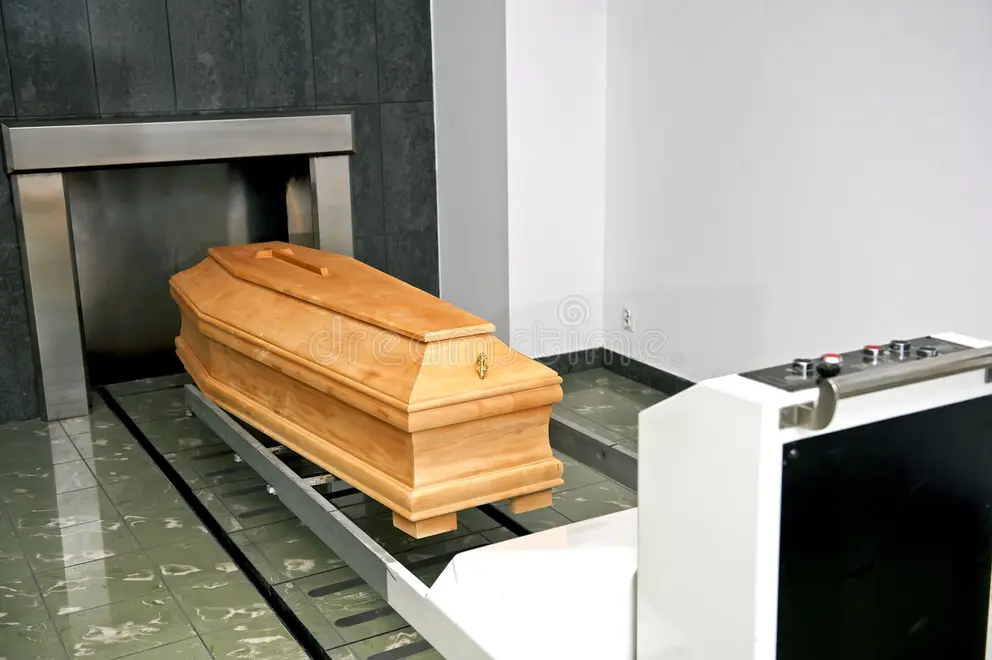
This is the stage many families are least familiar with. The actual cremation process in Malaysia is carried out in a cremation chamber, sometimes called a retort. The deceased, usually placed in a coffin or cremation container, is respectfully transferred into the chamber.
The cremation uses intense heat to reduce the body to bone fragments and ashes. The process may take a few hours, depending on factors such as body size, coffin material and crematorium procedures.
Before the cremation begins, families should be aware of the following:
- Witnessing arrangements may differ by crematorium. Some families may be allowed to observe part of the cremation process, especially if it is part of their religious or cultural practice, while others may prefer a private farewell before the cremation begins.
- Only approved materials should go into the cremation chamber. Most crematoriums have specific guidelines on the type of coffin or cremation container allowed, as certain materials may not be suitable for the cremation process.
- Certain personal items may need to be removed beforehand. Items such as jewellery, watches, glasses, or other keepsakes are often taken out before cremation, depending on the family’s wishes and the crematorium’s policy.
- The crematorium staff will explain the procedure clearly. Families are usually guided on arrival times, identification checks, final prayers or rites, and when the ashes can be collected.
After the cremation is completed, the remains are processed into a finer ash consistency and placed in an urn or temporary container for collection.
For those searching for how cremation works in Malaysia, this is the core stage of the process, but it is usually managed professionally and respectfully by trained personnel.
Step 7: Collect the Ashes
After the cremation is complete, the family is informed when the ashes are ready for collection. The collection time varies by crematorium. Some may allow same-day collection, while others may require the family to return later.
The ashes are typically placed in:
- A standard container
- A temporary urn
- A decorative urn selected by the family
Families should verify the collection process beforehand, including:
- The expected collection date and time
- Identification needed for collection
- Whether the urn is included in the package
- Any storage limitations at the crematorium
This stage is deeply personal. For many Malaysian families, collecting the ashes marks the final transition from funeral arrangements to remembrance and memorialisation.
Step 8: Decide on Ash Placement or Memorial Options
Once the ashes are collected, the family must decide what to do next. In Malaysia, the chosen option often depends on religion, culture, personal preference and available facilities.
Common ash placement options in Malaysia:
- Keeping the urn at home
- Placing the urn in a columbarium
- Scattering ashes in accordance with religious or legal guidelines
- Burial of ashes in a memorial plot
- Storing ashes in a temple or memorial centre
For example, some families prefer a columbarium because it provides a permanent place for remembrance. Others may organise a prayer ceremony before placing the ashes in their final resting place.
If you are pre-planning, it is wise to discuss these preferences with family members early to avoid uncertainty later.
Factors Affecting Cremation Arrangements in Malaysia
Several factors can influence the overall cremation timeline and experience:
1. Religion and cultural traditions
Different communities in Malaysia may have unique rites, prayer rituals, and mourning periods.
2. Location
Urban areas may offer more crematorium options, while families in smaller towns may need additional travel arrangements.
3. Documentation
Missing paperwork can delay the cremation process.
4. Budget
The cost of cremation in Malaysia varies depending on the funeral package, coffin type, venue, and memorial choices.
5. Crematorium availability
Peak periods or limited facility slots may affect scheduling.
Being aware of these factors allows families to plan more effectively and choose the right funeral support.
Tips for Families Planning a Cremation in Malaysia
To make the process smoother, consider these practical tips:
- Keep identification documents easily accessible
- Choose a trusted funeral service provider
- Confirm all crematorium requirements in advance
- Discuss religious and family preferences early
- Ask for a clear breakdown of costs
- Clarify ash collection and memorial options
- Consider pre-planning to reduce family stress in the future
Pre-planning is becoming more common, especially among families who want clarity on funeral planning in Malaysia and wish to reduce the burden on loved ones.
Why Understanding the Cremation Process Matters
During grief, uncertainty can make funeral arrangements even harder. Knowing the step-by-step cremation process in Malaysia gives families clarity and confidence. It helps them manage practical matters, make informed decisions, and focus on honouring their loved one respectfully.
Whether you are arranging a cremation immediately or researching future options, understanding the process can save time, reduce confusion, and provide peace of mind. It also allows families to choose services that match their values, traditions, and budget.
Conclusion
The cremation process in Malaysia involves more than just the final cremation itself. It includes legal registration, paperwork, funeral planning, transportation, ceremony arrangements, the cremation procedure, ash collection, and memorial decisions. For families facing loss, understanding each step can make a difficult time more manageable.
By working with a reliable funeral provider, preparing the necessary documents, and discussing family preferences early, Malaysian families can navigate the cremation process with greater clarity, ease and dignity.
If you are currently planning a funeral or exploring cremation services in Malaysia, use this guide as a starting point to ask the right questions and make confident decisions for your loved ones.
Frequently Asked Questions
1. What happens during a cremation?
During a cremation, the body is placed in a coffin or cremation container and transferred into a cremation chamber. High heat reduces the body to bone fragments, which are then processed into ashes and returned to the family.
2. How is a body prepared for cremation?
The body is usually cleaned, dressed, and placed in a coffin or approved container. If there is a wake or viewing, additional preparation may be carried out based on the family’s wishes and religious customs.
3. How much does cremation cost in Malaysia?
Cremation costs in Malaysia vary depending on the crematorium, funeral package, coffin type, and any additional services such as a wake, ceremony, or ash placement. Public and private cremation services may differ in pricing, so it is always best to request a detailed quotation to understand what is covered in the package.
4. How many hours does it take to cremate a human body?
The cremation itself usually takes a few hours, although the exact duration may vary depending on the body size, coffin material, and crematorium procedures. Families should also allow extra time for document checks, religious rites, waiting time, and ash preparation.
5. Are bodies taken out of coffins before cremation?
In most cases, no. The body is usually cremated in a coffin or approved cremation container, as long as it meets the crematorium’s requirements.
6. Can a body be cremated without a coffin?
Many crematoriums require a coffin or an approved cremation container. Some may allow a simpler container, so it is best to confirm the requirement with the crematorium in advance.
7. What happens to the ashes after cremation?
After cremation, the ashes are usually placed in an urn or temporary container for collection. Families may choose to keep the urn at home, place it in a columbarium, store it in a memorial hall, or arrange a final ash placement ceremony based on their beliefs and preferences.