

Key Takeaways
- Christian funeral ceremonies are faith based services focused on honoring the deceased and affirming belief in eternal life.
- Christian death rituals usually include prayers, scripture readings, worship songs, and a burial or cremation ceremony.
- Church funeral services commonly last between forty five minutes to one hour, depending on denomination and service structure.
- Christian after death rituals emphasize respect for the body, remembrance, and hope in resurrection.
- Understanding Christian burial ceremonies helps families prepare emotionally, spiritually, and practically during a time of loss.
Introduction to Christian Funeral Ceremonies
A Christian funeral ceremony is a sacred and meaningful event that reflects Christian beliefs about life, death, and the promise of resurrection. For families navigating loss, understanding the purpose and structure of a Christian death ceremony can bring clarity, reassurance, and emotional comfort.
Christian funerals are not only about mourning but also about celebrating the life of the deceased while reaffirming faith in God and eternal life. While traditions may vary slightly across denominations, the foundation of Christian funeral practices is rooted in scripture, prayer, and community support.
What Are Christian Death Rituals
Christian death rituals are religious practices performed before, during, and after death to honor the deceased and seek spiritual comfort for the living.
These rituals are grounded in biblical teachings and centuries of church tradition. They emphasize prayer, scripture reading, worship, and communal remembrance, reinforcing the belief that death is a passage into eternal life rather than an end.
Common Christian death rituals include prayers at the time of passing, a funeral or memorial service, and a burial or cremation ceremony carried out with dignity and reverence.
Christian After Death Rituals and Their Meaning
Christian after death ritual practices usually begin immediately after a person passes away. Family members, clergy, or hospital chaplains may offer prayers asking for peace, forgiveness, and God’s presence.
In many Christian traditions, the body is treated with respect because it is believed to be created by God and destined for resurrection. After death rituals may include a wake or viewing, allowing family and friends to gather, pray, and reflect on the deceased’s life.
These rituals help loved ones process grief while reinforcing Christian beliefs about salvation, forgiveness, and eternal life with God.
What Happens Immediately After a Christian Passes Away
Typically, prayers are offered for the soul of the deceased, and the family contacts a funeral service provider to begin arrangements.
Some Christian families request a pastor or priest to perform final prayers or blessings. Others may hold private family prayers before formal funeral preparations begin. These moments provide spiritual comfort and help families begin the grieving process.
Structure of a Christian Funeral Service
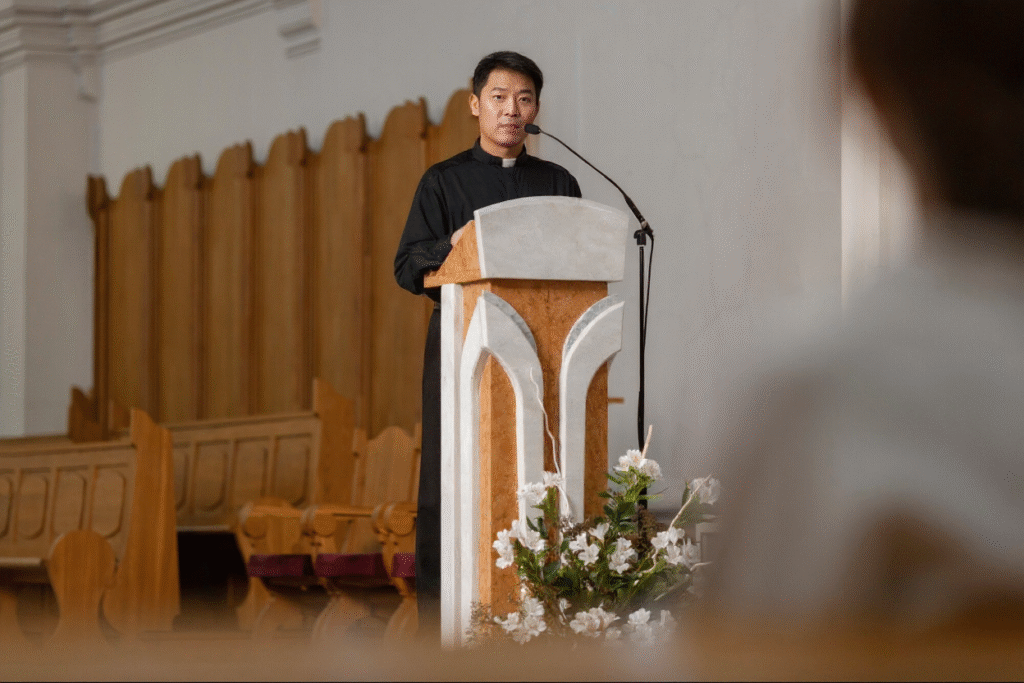
A traditional Christian funeral service usually follows a structured order and is held in a church, chapel, or funeral hall. While the format varies by denomination, most services include opening prayers, hymns, scripture readings, a sermon or homily, and closing prayers.
The service is often led by a pastor or priest who speaks about the deceased’s faith, character, and life journey. Scripture passages are chosen to provide hope and reassurance, while hymns are selected for their comforting and spiritual messages.
What Is Included in a Christian Funeral Service
While the exact format may vary by denomination, most Christian funeral services follow a meaningful structure designed to honor the deceased and provide spiritual comfort to the living.
A typical Christian funeral service includes the following elements.
1. Opening Prayer and Welcome
The service usually begins with an opening prayer led by a pastor or priest. This prayer invites God’s presence, asks for comfort for the grieving family, and sets a reverent tone for the ceremony. The officiant may also welcome attendees and briefly explain the purpose of the service.
2. Scripture Readings from the Bible
Bible readings are a central part of any Christian funeral service. These scriptures often focus on hope, eternal life, and God’s promises. Common passages may come from Psalms, the Gospels, or the New Testament letters. Scripture readings help remind mourners of faith based assurance beyond death.
3. Hymns and Worship Songs
Christian funerals typically include hymns or worship songs chosen for their spiritual meaning. These songs may reflect themes of salvation, peace, and trust in God. Music allows mourners to express grief and hope collectively and often brings emotional comfort during the service.
4. Sermon or Homily
The sermon or homily is delivered by the officiating clergy and is one of the most significant parts of the service. It usually reflects on the life of the deceased, their faith journey, and Christian teachings about death and resurrection. The message aims to comfort the family while pointing to eternal life through faith.
5. Prayers of Intercession and Commendation
Additional prayers may be offered for the deceased, the family, and all who are grieving. These prayers ask for strength, peace, and God’s guidance during the mourning period. In some denominations, a prayer of commendation is said, entrusting the deceased to God’s care.
6. Final Blessing and Closing
The service concludes with a final blessing, offering peace and encouragement to those present. The clergy may give instructions for the burial or committal service if it follows immediately after the church service.
Together, these elements form a structured yet compassionate Christian funeral service that balances remembrance, worship, and spiritual reassurance.
How Long Are Church Funeral Services
Most church funeral services last between forty five minutes to one hour. The length depends on denomination, number of hymns, scripture readings, and whether additional elements such as communion or tributes are included. Catholic funeral services may be longer due to the inclusion of Mass, while Protestant services are often more flexible.
What Is Christian Burial Ceremony
A Christian burial ceremony is the final act of the funeral process and carries deep spiritual meaning. Burial symbolizes returning the body to the earth and trusting in God’s promise of resurrection.
During the burial ceremony, prayers are offered, scripture may be read, and the deceased is committed to the ground with words of faith and blessing. The ceremony emphasizes farewell, remembrance, and hope in eternal life.
Is Cremation Allowed in Christian Funeral Ceremonies
Today, cremation is accepted in many Christian denominations, including Catholic, Anglican, and Protestant traditions.
When cremation is chosen, the same prayers and funeral rites are observed. The ashes are treated with respect and may be buried or placed in a columbarium according to church guidance.
Christian Death Ceremony Across Denominations
While core beliefs remain the same, a Christian death ceremony may differ slightly across denominations.
Catholic funerals often include a vigil, funeral Mass, and burial service. Protestant funerals focus more on scripture, preaching, and hymns. Anglican services combine structured liturgy with personal reflection.
Despite these differences, all Christian funeral ceremonies aim to honor the deceased, comfort the bereaved, and affirm faith in God.
What Is the Purpose of a Christian Funeral
The purpose of a Christian funeral is both spiritual and pastoral. At its core, a Christian funeral exists to worship God, honor the life of the deceased, and offer comfort and hope to those who are grieving through the promises of the Christian faith.
From a spiritual perspective, a Christian funeral affirms the belief that death is not the end, but a transition into eternal life through Jesus Christ. Scripture, prayers, and hymns remind mourners of God’s promise of resurrection, forgiveness, and salvation. Rather than focusing solely on loss, the service directs attention to hope, faith, and God’s presence even in times of sorrow.
A Christian funeral also serves as an opportunity to give thanks for the life of the deceased. It acknowledges their journey, character, relationships, and faith, recognizing each life as a gift from God. Through shared memories, prayers, and reflections, the service honors the individual while placing their life story within God’s greater plan.
Equally important, a Christian funeral provides emotional and spiritual support for the bereaved. Grief is acknowledged openly, and the community gathers to mourn together, offering comfort, prayers, and encouragement. This communal aspect reinforces the Christian belief that no one grieves alone and that God works through the support of others.
Finally, a Christian funeral gently calls the living to reflection and faith. It reminds attendees of the fragility of life, the importance of spiritual preparedness, and the hope found in trusting God. In this way, the funeral becomes not only a farewell but also a moment of renewed faith and reassurance in God’s promises.
Why Understanding Christian Funeral Rituals Matters
Understanding Christian funeral rituals helps families make informed decisions that align with their faith and values. It also reduces uncertainty and stress during an emotionally challenging time.
Being familiar with Christian death traditions allows families to plan meaningful services that reflect both spiritual beliefs and personal wishes.
Final Thoughts on Christian Funeral Ceremonies
Christian funeral ceremonies are deeply rooted in faith, tradition, and hope. From Christian after death rituals to burial ceremonies, each step reflects belief in life beyond death and God’s promise of salvation.
For families seeking clarity and compassionate support, understanding Christian funeral practices can provide reassurance and guidance during one of life’s most difficult moments.